
Frame materials must balance durability with weight and aesthetic considerations. Aluminum is a common choice for its corrosion resistance and favorable strength-to-weight ratio. Higher-end options might select stainless steel for its premium appearance and exceptional durability. Wood frames, typically teak or eucalyptus, offer classic aesthetics but require more maintenance over time. Fiberglass components provide excellent flexibility and weight advantages for larger models.
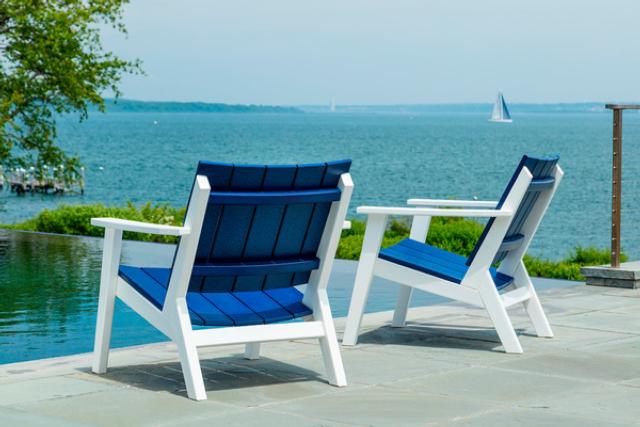
Another aspect that sets Aluminum Umbrellas apart is their aesthetic appeal. Available in a wide range of colors and patterns, these umbrellas cater to diverse tastes and preferences. The combination of functionality and style makes them a popular choice among individuals seeking to express their personality while staying protected from rain or sun. Whether it’s a vibrant floral print or a classic solid color, Aluminum Umbrellas allow users to make a statement even in inclement weather.
Offset umbrellas represent a perfect blend of modern engineering and practical design. Unlike their counterparts with central poles, these umbrellas use a cantilever system – a side-mounted support structure – to create shade without obstructive center poles. This article aims to provide a detailed look at these useful items and help readers recognize their value in both residential and commercial settings.
Rain protection dates back thousands of years, with early civilizations using palm leaves and oiled paper as basic shelters from the elements. The modern umbrella began to take shape in the 18th century, but the real transformation came with the introduction of new materials in the 20th century.
The world of outdoor protection has seen remarkable changes over the years, with teak wood umbrellas becoming a preferred choice for many. These elegant yet strong items offer protection from rain and sun while providing durability that surpasses many traditional options. This article will explore the world of teak wood umbrellas, their history, benefits, manufacturing process, and why they continue to gain popularity among consumers worldwide.
Common area protection dates back to the early days of planned communities, with basic shelters and shade structures serving as gathering spots. The modern HOA umbrella approach began to take shape in the 1970s and 1980s, but the real transformation came with the introduction of specialized designs that balanced aesthetics with function and durability.
Furthermore, the environmental considerations surrounding the production of Fiberlite umbrellas cannot be overlooked. Many manufacturers are committed to sustainable practices, utilizing eco-friendly materials and processes to minimize their impact on the planet. This dedication to sustainability resonates with consumers Grosfillex Furniture Wholesale and Retail who are increasingly conscious of their purchasing decisions and the broader implications of their choices.