
Ultimately, restaurant umbrellas represent a perfect blend of functionality, durability, and style. They provide essential shade that enhances outdoor dining experiences while also contributing to the aesthetic value of spaces. Investing in a restaurant umbrella means investing in quality and longevity, ensuring countless enjoyable moments spent outdoors. As more people recognize the benefits of high-quality outdoor furnishings, the demand for restaurant umbrellas is expected to rise.
In terms of functionality, offset umbrellas often feature mechanisms that enhance their usability. For instance, some models may include a crank lift system, making it easier to open and close the umbrella without straining. This user-friendly design is especially beneficial for larger umbrellas, which may require more effort to manage manually. The convenience of such features encourages users to utilize their umbrellas regularly, maximizing the benefits of shade and comfort.
The environmental impact of restaurant umbrellas presents a nuanced picture that environmentally conscious businesses should consider. Understanding both the positive and negative aspects helps make informed purchasing decisions.
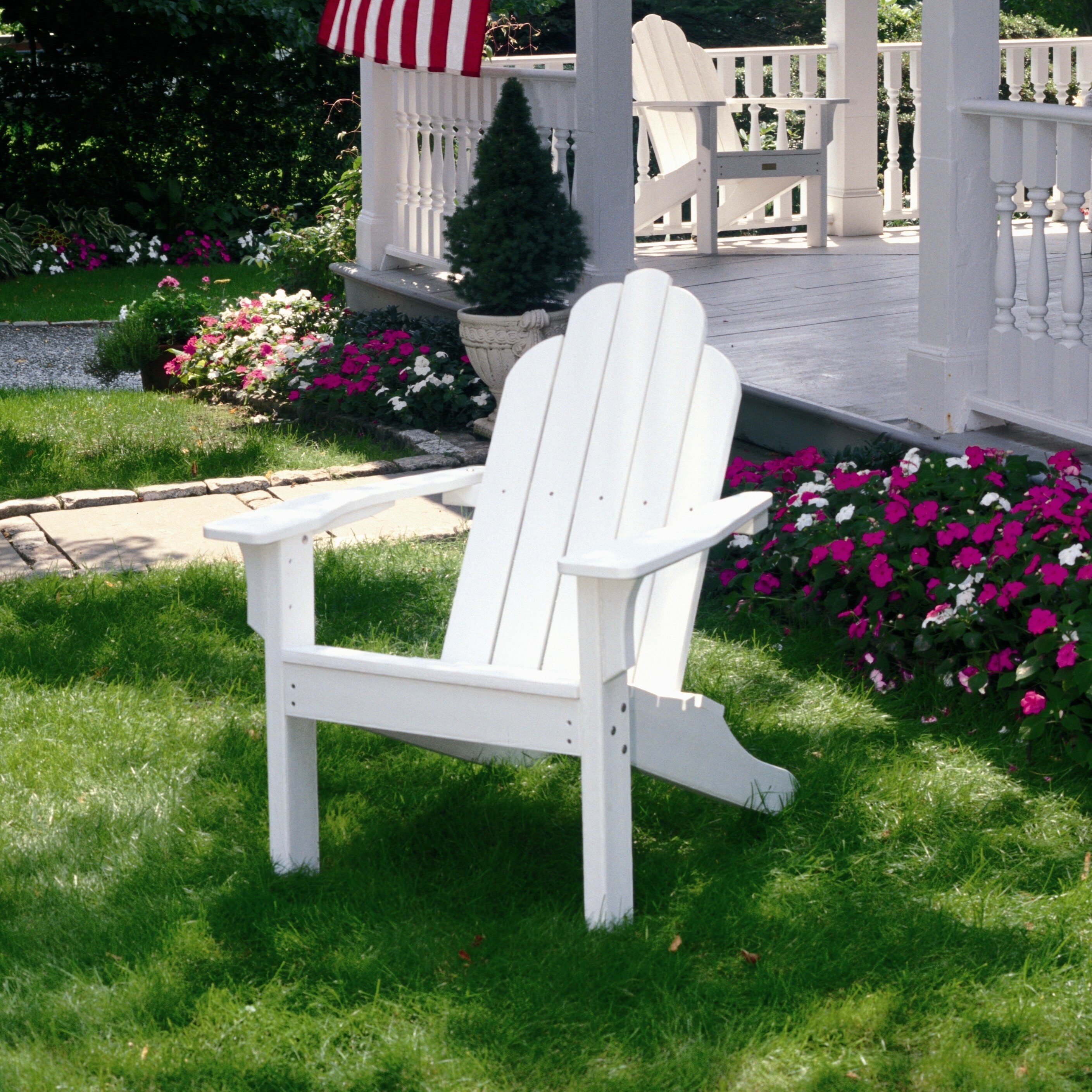
HOA umbrellas offer numerous practical advantages that translate to real community value. These benefits explain why many associations choose to invest in quality commercial models rather than consumer-grade alternatives.
Choosing the ideal teak wood umbrella involves considering several key factors that affect both performance and value. This guidance helps consumers match their specific needs with the right product features.
Construction details matter for durability. Examine how the various teak Nardi Omega Chaise USA components join together. Quality models feature precise joinery with stainless steel or brass hardware rather than cheaper metals that might corrode. The canopy attachment points should show reinforcement to prevent tearing at these high-stress areas.
The market for antique and vintage wooden outdoor furniture has grown in recent decades, with collectors seeking pieces that combine historical interest with practical utility. Early 20th-century garden furniture from makers like Heywood-Wakefield or pieces designed by renowned architects like Gerrit Rietveld now command premium prices at auction, appreciated both for their design significance and the quality of their construction. This collecting trend underscores the potential investment value of thoughtfully chosen contemporary pieces, which may similarly appreciate as they age. Unlike many modern consumer goods designed for obsolescence, quality wooden outdoor furniture can represent an investment that yields returns in both use value and potential financial appreciation.
